





Sports Evangelism: Reaching Kenyan Youth for Christ
On a dusty field in Tongaren, Western Kenya, a group of young people gathered for a game. There was laughter, competition and plenty of energy. However, by the end of the day, something deeper had happened. Hearts were opened, conversations about faith began, and young lives heard the message of Jesus. This is the power of sports evangelism.
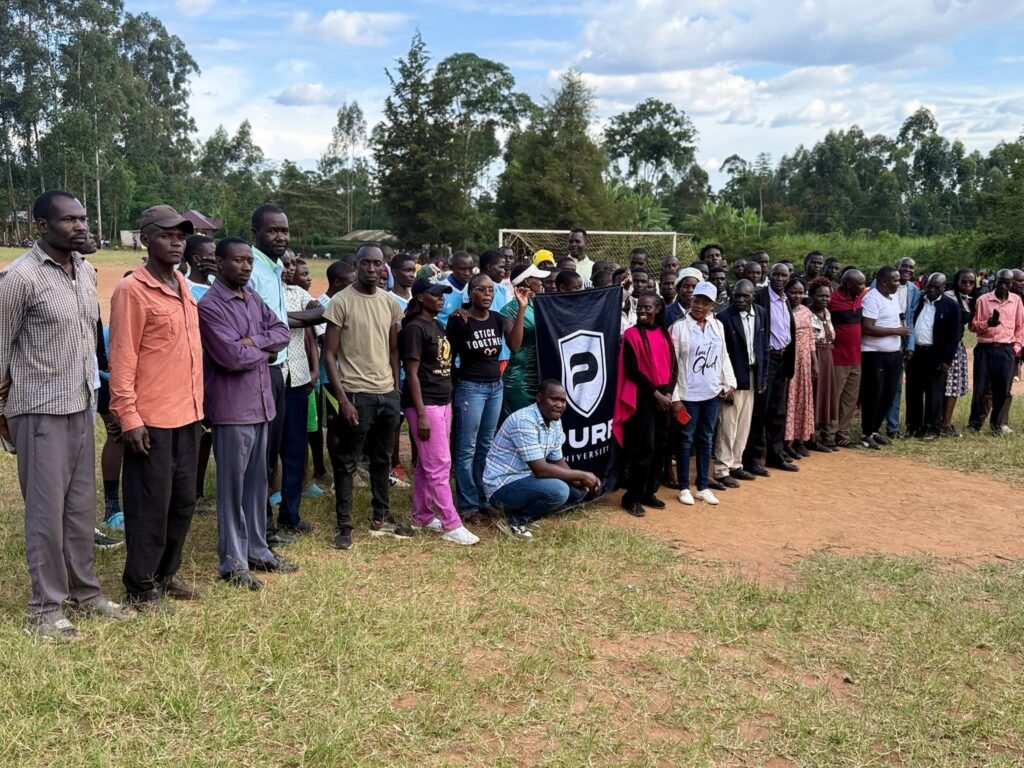
In 2025, our team, led by Laurah and Phanice, partnered with Pure University to reach the youth of Tongaren through sport. In this article, we explore what sports evangelism is, why it works so well with young people, and how you can get involved.
What Is Sports Evangelism?
Sports evangelism is the use of games, tournaments and athletic activities to build relationships and share the Gospel. Instead of starting with a sermon, it starts with something people already love. Football, netball, volleyball and athletics bring people together naturally. Once trust is built, sharing about Jesus feels like a conversation between friends rather than a lecture.
This approach is not new. Paul often used sporting images to teach spiritual truth. He wrote, “Do you not know that in a race all the runners run, but only one gets the prize? Run in such a way as to get the prize” (1 Corinthians 9:24). He also described the Christian life as fighting the good fight and finishing the race (2 Timothy 4:7).
Why Sports Evangelism Works With Young People
Kenya is a young nation, and Western Kenya is full of energetic youth. Many are passionate about sport. At the same time, many face real challenges, such as unemployment, peer pressure, drug abuse and a lack of direction. Sports evangelism meets them right where they are.
1. It Breaks Down Barriers
Some young people would never walk into a church building. Nevertheless, they will happily join a football match. The field becomes neutral ground where everyone feels welcome.
2. It Builds Real Relationships
Playing together creates bonds. Teammates learn to trust and support one another. These friendships give mentors the chance to walk alongside young people long after the final whistle.
3. It Teaches Life Lessons
Sport naturally teaches discipline, teamwork, humility and perseverance. Coaches can connect these values to biblical truth. For example, losing a match opens a conversation about grace and getting up again.
4. It Channels Energy Positively
Regular games and tournaments give young people something healthy to do with their time. As a result, they are less likely to drift into harmful habits.
Our Story: Sports Evangelism in Tongaren, 2025
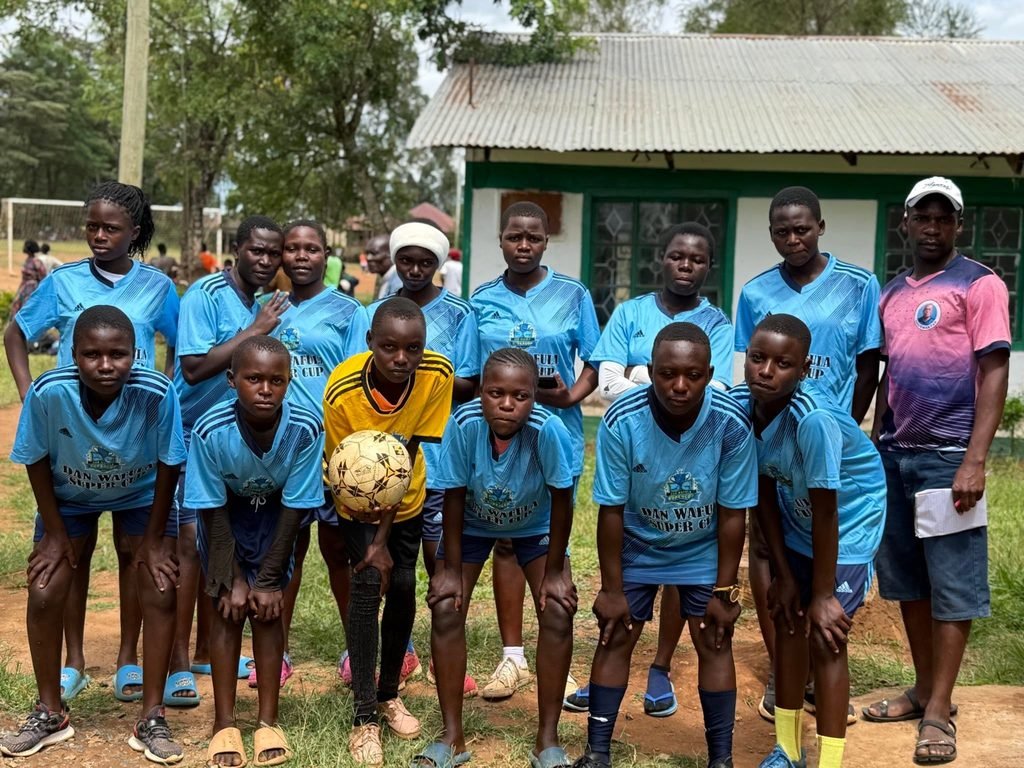
In 2025, our Missions Ministry took a fresh approach in Tongaren. Working in collaboration with Pure University, Laurah and Phanice engaged local youths through organised games and friendly competition.
The day was full of joy. Young people played hard, cheered loudly and enjoyed being together. Between games, the team shared short, relatable messages about identity, purpose and the love of Jesus. They listened to the youths’ stories and prayed with those who asked.
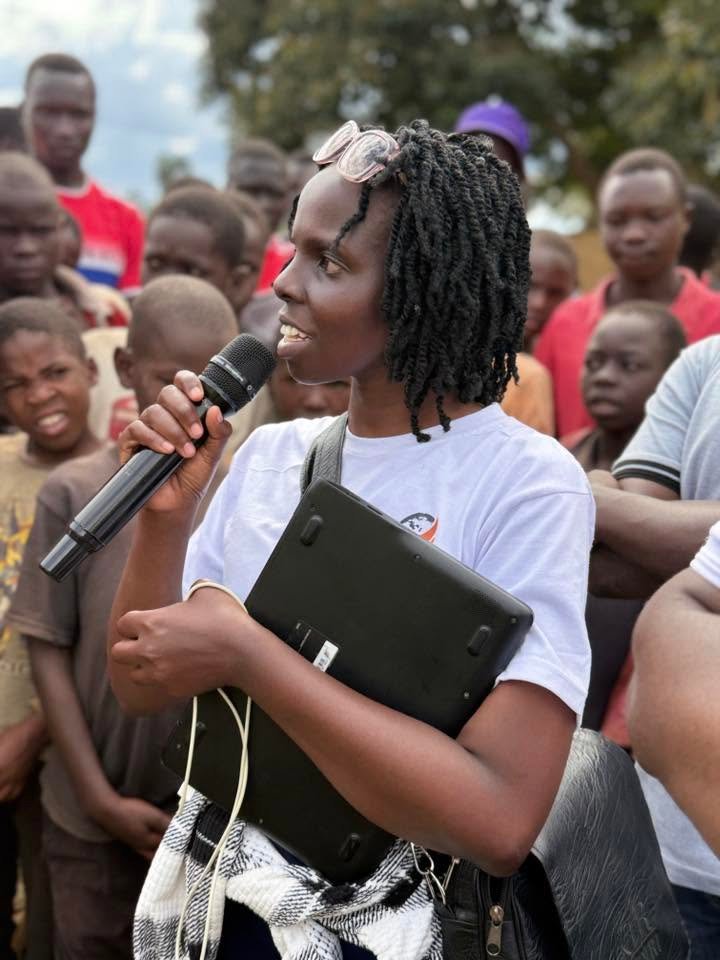
Outreach like this shows that the Gospel can travel through many doors. A football can open a heart just as surely as a microphone. Above all, the young people of Tongaren saw that the church cares about their whole lives: body, mind and spirit.
How to Run a Sports Evangelism Outreach
If your church or youth group wants to try sports evangelism, here is a simple framework based on our experience.
- Pray and plan. Begin with prayer. Then choose a location, a date and the sports that local youth enjoy most.
- Partner with others. Work with schools, universities, local leaders or other ministries. Partnerships, like ours with Pure University, multiply impact.
- Build a welcoming team. Include coaches, referees, first-aid helpers, worship leaders and counsellors who can talk and pray with young people.
- Keep the message short and real. Share brief testimonies and Bible truths at half-time or after the games. Young people respond to honesty more than long speeches.
- Celebrate together. Share a meal or refreshments. Fellowship makes the day memorable.
- Follow up. Collect contacts, with permission, and invite participants to youth services, Bible studies or the next tournament.
Sports Evangelism and Discipleship
An exciting outreach is only the beginning. The real goal of sports evangelism is lasting discipleship. Jesus did not call us to make fans. He called us to make disciples (Matthew 28:19–20).
That is why follow-up matters so much. After an event, young people need mentors who check in, answer questions and walk with them. Our youth service every Sunday at 9:00 AM gives them a place to keep growing. There, they find worship, Bible teaching and friends who share their journey.
Moreover, sport itself can become a discipleship tool. Regular training sessions can begin with prayer and a short devotional. Over time, players learn to see their gifts, bodies and talents as things to use for God’s glory (1 Corinthians 10:31).
Training for Godliness
Paul wrote to young Timothy, “Physical training is of some value, but godliness has value for all things, holding promise for both the present life and the life to come” (1 Timothy 4:8). Sports evangelism holds both together. It values physical activity, yet it points beyond the game to a life that lasts forever.
When young people discover that God cares about every part of them, including their dreams on the field, faith becomes real and personal. That is the heart of what we do.
Get in the Game With Us
Do you love sport and love young people? Then sports evangelism might be your calling. We need coaches, players, organisers, mentors, photographers and prayer partners for future outreaches.
Explore our Ministries page to learn more about our missions work, then contact us to join the team. You can also read about our wider missions journey across Kenya in our article on missions and evangelism. Together, let us reach a new generation for Christ, one game at a time.

