





Biblical Discernment in the Digital Age: How Christians Can Navigate Misinformation Online
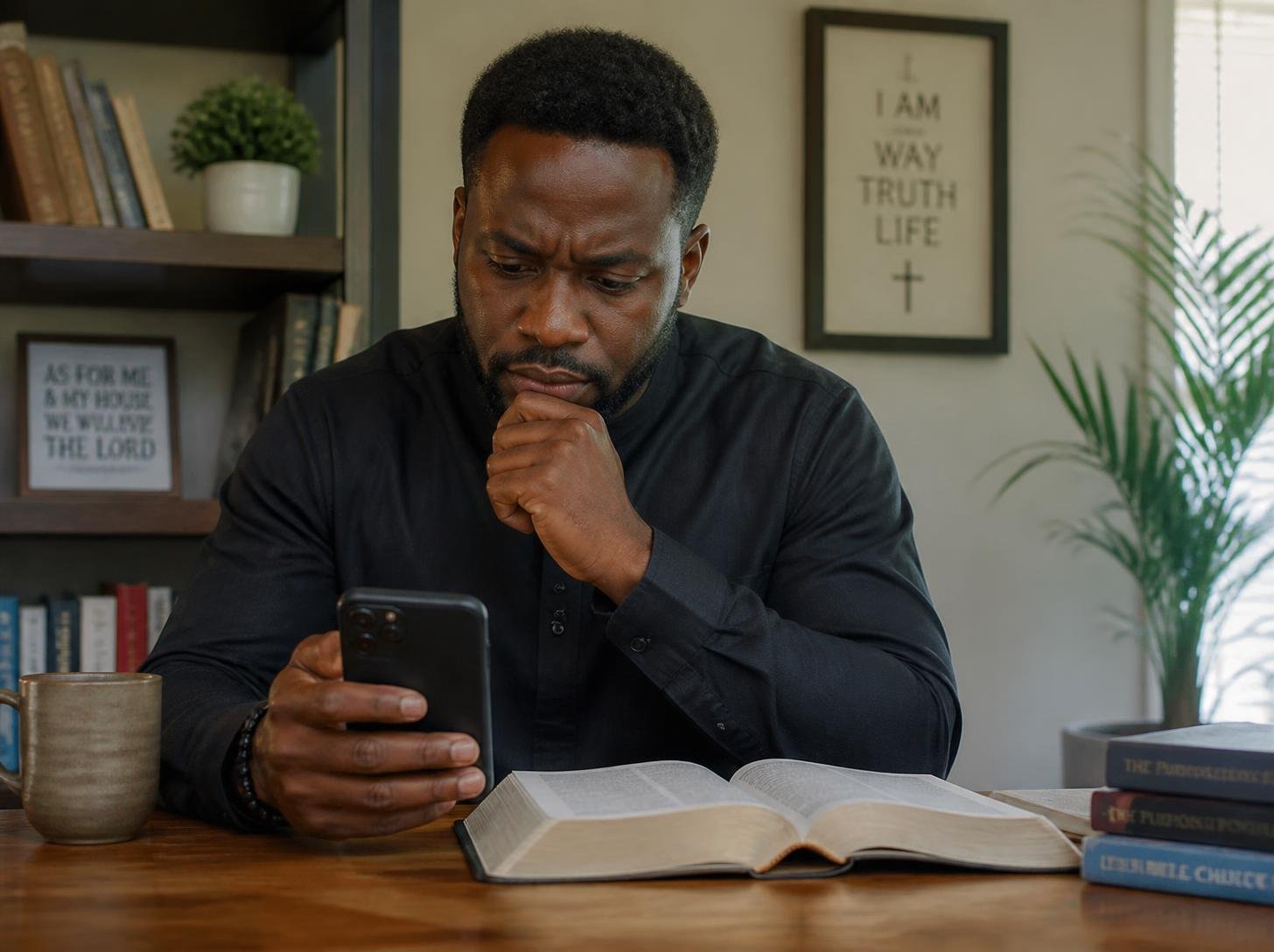
A video appears on your phone. A well-known leader seems to say something shocking. Within hours, it has been shared thousands of times across WhatsApp, Facebook and TikTok. Days later, experts confirm it was a deepfake. Yet the damage is already done. Trust is broken, and the correction never travels as far as the lie. In moments like these, biblical discernment is no longer optional for believers. It is a daily necessity.
We live in a world flooded with information. Some of it is true, some is half true, and much of it is designed to provoke rather than inform. As followers of Christ, we are called to love the truth. So how do we keep our hearts and minds anchored when the digital world moves this fast?
Why Misinformation Spreads So Quickly
Modern online platforms reward attention, not accuracy. Posts that make us angry, afraid or excited get more likes, comments and shares. As a result, the most emotional stories often rise to the top, even when they are false.
Artificial intelligence has added a new layer to the problem. Today, anyone can create convincing fake images, voices and videos in minutes. A forwarded message can look official. A fake quote can carry a real person’s photo. Consequently, many people no longer know what to believe.
The cost is real. Families argue over rumours. Communities divide along false lines. Churches lose unity over stories that never happened. For Christians, this is more than a technology problem. It is a spiritual battle over truth.
What the Bible Says About Testing Information
Scripture spoke to this challenge long before the internet existed. The prophet Daniel was told that in the last days “many will go here and there to increase knowledge” (Daniel 12:4). Knowledge has certainly increased. However, more information has not always produced more wisdom.
Paul warned Timothy about people who are “always learning but never able to come to a knowledge of the truth” (2 Timothy 3:7). That description fits a generation that scrolls endlessly yet struggles to know what is real.
Thankfully, the Bible does not leave us confused. The apostle John gives a clear instruction: “Dear friends, do not believe every spirit, but test the spirits to see whether they are from God” (1 John 4:1). Likewise, Paul tells the church to “test them all; hold on to what is good” (1 Thessalonians 5:21).
In other words, biblical discernment means we do not swallow everything we hear. Instead, we weigh it carefully against God’s Word and the evidence before us.
What Is Biblical Discernment?
Biblical discernment is the God-given ability to tell truth from error, and good from evil. It grows as we know Scripture, walk with the Holy Spirit and practise wisdom in everyday choices. Hebrews describes mature believers as those “who by constant use have trained themselves to distinguish good from evil” (Hebrews 5:14).
Notice the word trained. Discernment is not a feeling. It is a habit we build over time. Just as an athlete trains the body, believers train the mind to recognise what is true, noble and right.
Five Practical Steps to Navigate Misinformation Online
Here are simple habits every Christian can start practising this week.
1. Check the Source
Before you believe a post, ask who created it. Is it a trusted news outlet, an official body or a known ministry? Or is it an anonymous account with no history? Look for the same story from two or three reliable sources. If only one unknown page is reporting it, be careful.
2. Pause and Pray Before You Share
The share button is fast, but wisdom is patient. Proverbs reminds us that “the simple believe anything, but the prudent give thought to their steps” (Proverbs 14:15). Before forwarding a message, take a breath. Ask the Holy Spirit for wisdom. Then ask yourself three questions: Is it true? Is it helpful? Is it loving?
3. Grow Your Media Literacy
Learn the signs of false content. Watch for headlines in all capital letters, urgent demands to “share before it is deleted” and images that look slightly unnatural. Use fact-checking websites when a story seems too shocking to be true. Moreover, remember that a screenshot is not proof.
4. Stay Rooted in Scripture
The best way to spot a counterfeit is to know the real thing well. When God’s Word fills our hearts, false teaching and manipulative messages become easier to recognise. Daily Bible reading is, therefore, one of the strongest defences against deception.
5. Practise Discernment in Community
We were never meant to walk alone. Discuss confusing stories with mature believers, your cell group or your pastor. Often, a wise friend will notice what you missed. That is one reason our weekly home fellowships matter so much.
The Role of Parents in Teaching Biblical Discernment
Children and teenagers now spend hours online every day. Many first meet false ideas through videos, games and group chats. Parents, therefore, carry a special responsibility.
First, model healthy habits. Children notice when we check facts before sharing and when we put our phones down at the table. Second, talk openly about what they see online. Ask questions rather than lecturing. Third, connect digital choices to biblical teaching. Show them how verses like Philippians 4:8 can guide what they watch, believe and share.
Our Children’s Ministry partners with parents by teaching young people to love God’s Word from an early age. A child who knows Scripture is far better prepared for a confusing digital world.
The Role of Church Leaders
Pastors and ministry leaders also have an important part to play. Their online behaviour sets an example for the whole congregation. When leaders share unverified rumours, members follow. On the other hand, when leaders show patience and care, the church learns to do the same.
Leaders can equip believers by teaching on truth, honesty and the ethics of technology. They can also create safe spaces where members bring questions without fear. At Blessed International Fellowship, our Media Ministry works to share content that is accurate, uplifting and true to the Gospel.
Truth Is a Person, Not Just a Fact
Ultimately, biblical discernment is about more than avoiding fake news. Jesus said, “I am the way and the truth and the life” (John 14:6). Truth is not only something we check. It is someone we follow.
When we stay close to Christ, we become people of truth in every space we enter, including the online world. Our posts, comments and forwarded messages become opportunities to reflect His character. In a world full of noise, honest and gracious Christians can shine like lights.
Take One Step This Week
You do not have to fix the whole internet. Simply start with one intentional step. Before you forward your next message, pause, pray and check it. Teach one family member to do the same. Over time, these small acts of faithfulness will strengthen your walk and protect those around you.
We would love to grow in wisdom together. Join us for worship on Sunday, or connect with a home fellowship near you. To learn more about who we are, visit our About Us page.
